09 / Engineering case study
ESP32 Drone Platform
A compact controller architecture integrating processing, sensing, motor drive and battery power.
- Engineering domain
- Embedded control & PCB engineering
- Project status
- Completed
Developed by Mohammed Vashir - Difficulty
- Advanced
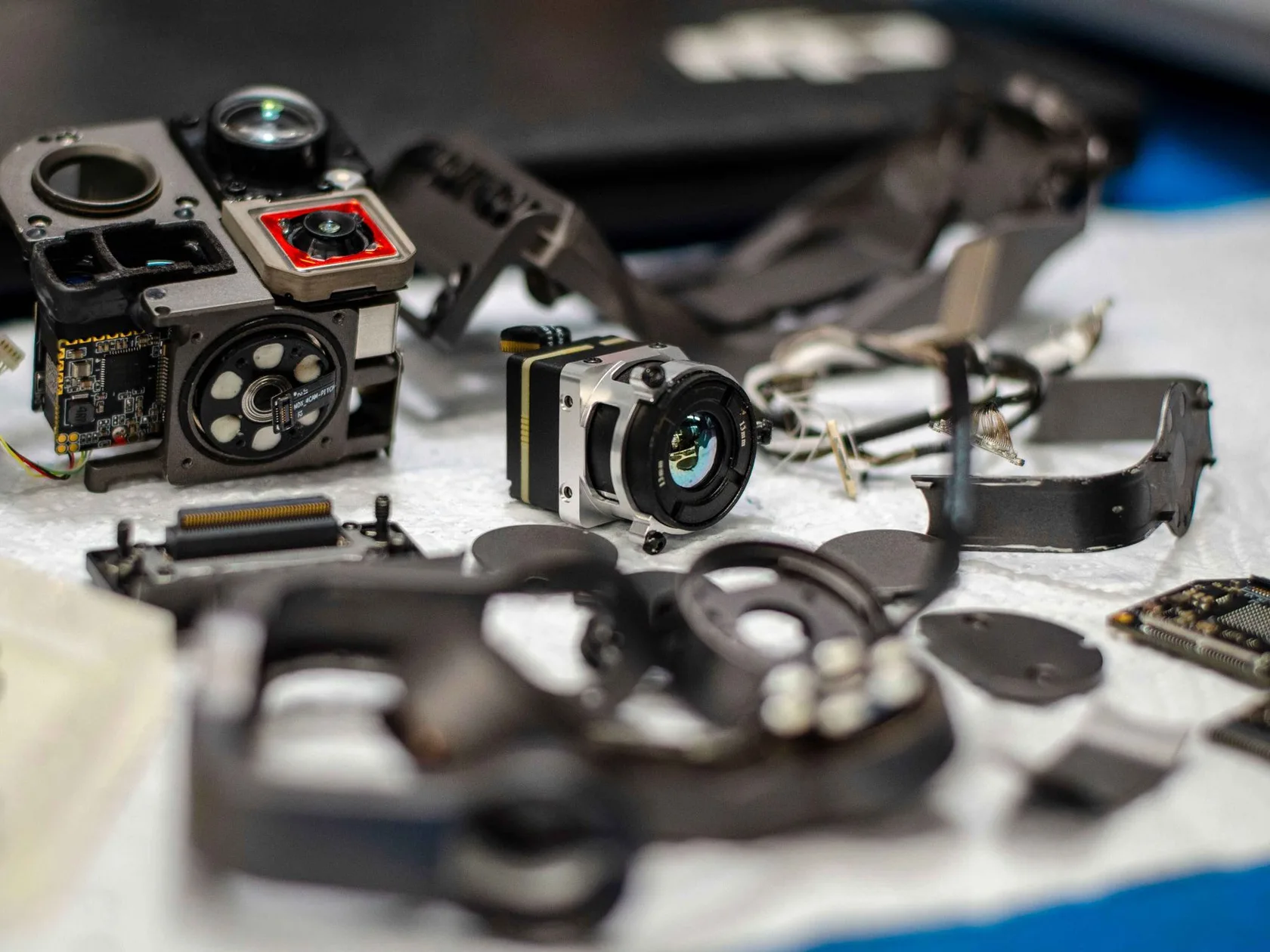 Representative imagery — not this 4TECH build.
The problem.
A small aerial platform must integrate sensitive control electronics with changing motor loads in a limited space. Power distribution, sensor interfaces and driver connections need to be considered together.
The engineering approach.
The platform centres on an ESP32-S3 controller and a custom KiCad electronics design for a compact 1S brushed-motor system. The design connects sensing, motor-drive channels, programming access and the power network within a single architecture.
Work spans schematic development, component interfaces, board layout and embedded control. Particular attention is given to the interaction between supply rails, driver stages and sensor readings, as well as practical access for programming and troubleshooting.
The toolkit.
- ESP32-S3
- KiCad
- 1S LiPo
- Brushed motor drivers
- Inertial sensing
- Embedded C++
Engineering contribution.
Provides a compact platform for embedded-control development and integration of small robotic systems.
Project documentation
What the record supports.
The owner describes a completed PCB design effort. The last available native board audit did not pass, so fabrication and flight performance remain outside the verified record.
Controller architecture
Described workThe KiCad design combines ESP32-S3 control, a 1S battery system, brushed-motor drive, sensing, USB and power distribution.
Native PCB audit
Review findingThe last recorded KiCad design-rule audit did not pass. No later zero-error, zero-unconnected release check is included.
Fabrication and flight
Not verifiedNo fabricated-board bring-up record, motor test or flight log is included in the available portfolio evidence.
Technical scope & validation
Project completion does not imply a manufacturing release, certified airworthiness or a specific flight envelope. Fabrication and flight decisions require their own applicable checks.
What would verify performance
- Run native KiCad design-rule checks on the exact release revision until there are zero errors and zero unconnected items.
- Inspect power rails, USB, sensor communication and each motor channel on a fabricated board before fitting propellers.
- Record controlled bench and flight tests with the board revision and test conditions identified.
Have a related challenge?
Start with your goal. We will work through the possibilities.